Best CRM Platforms for RevOps Teams in 2026
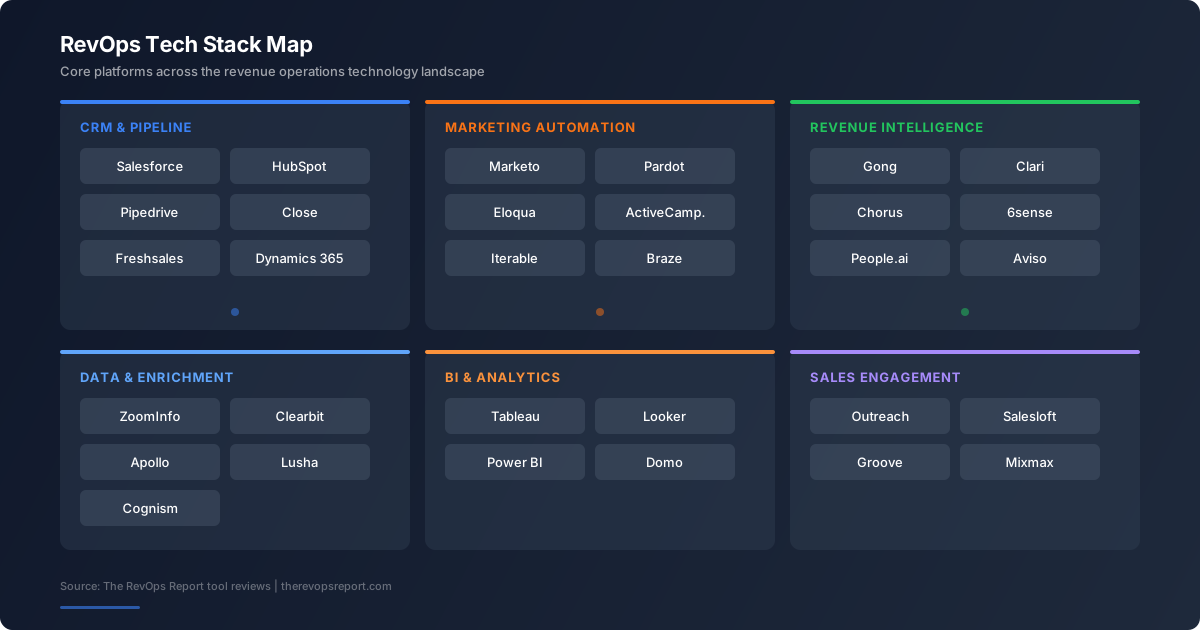
The CRM is the foundation of every revenue tech stack. It's where pipeline lives, where forecasts are built, and where the single source of truth should exist. For RevOps teams, the CRM choice isn't just about features, it's about how much operational control you get over data models, automation, and reporting.
We evaluated CRM platforms based on what matters most to RevOps: configurability, data architecture flexibility, workflow automation depth, reporting capabilities, and ecosystem integration. Here's what we recommend.
For enterprise RevOps teams with dedicated admins, Salesforce remains the standard. For SMB and mid-market teams wanting a unified platform without the admin overhead, HubSpot's Operations Hub has closed the gap significantly.
The 2 Best CRM Tools for RevOps
The dominant enterprise CRM. RevOps teams spend 40%+ of their time configuring, cleaning, and reporting from Salesforce. It's the system of record for pipeline, and its flexibility is both its greatest strength and biggest operational headache.
Strengths
- + Unmatched ecosystem and AppExchange
- + Deep customization and automation
- + Enterprise-grade reporting and dashboards
Limitations
- - Requires dedicated admin or RevOps resource
- - Licensing costs compound fast
- - Data hygiene requires constant vigilance
The all-in-one CRM that RevOps teams at SMB and mid-market companies rely on for unified marketing, sales, and service data. Operations Hub gives RevOps dedicated workflow, data sync, and programmable automation tools.
Strengths
- + Free tier is functional enough to start
- + Operations Hub built specifically for RevOps
- + Unified marketing and sales data eliminates sync issues
Limitations
- - Gets expensive fast as you scale contacts and features
- - Less customizable than Salesforce for complex enterprise processes
- - Reporting can feel limiting for advanced ops teams
How We Evaluated
We assessed each tool based on:
- RevOps utility: How well does it serve operational needs (not just end-user features)?
- Data integration: CRM sync quality, API completeness, data hygiene impact
- Reporting and analytics: Depth of operational insights available
- Pricing transparency: Can you figure out what it costs?
- Market positioning: Company stability, customer base, product velocity
For individual deep dives, visit each tool's review page. For salary data on roles that manage these tools, see our compensation benchmarks.
Frequently Asked Questions
Which CRM is best for small RevOps teams?
HubSpot CRM. The free tier is functional enough to start, Operations Hub adds RevOps-specific features, and you don't need a dedicated admin to keep it running.
Should RevOps teams use Salesforce or HubSpot?
It depends on company size and complexity. Salesforce offers deeper customization for enterprise needs but requires dedicated admin resources. HubSpot is faster to deploy and maintain but less flexible for complex processes.
What CRM features matter most for RevOps?
Pipeline stage customization, field-level validation rules, workflow automation, native reporting/dashboards, and API access for integrations. RevOps needs control over the data model, not just the UI.
Get Weekly RevOps Intelligence
Get weekly market data + quarterly State of RevOps reports. Free.